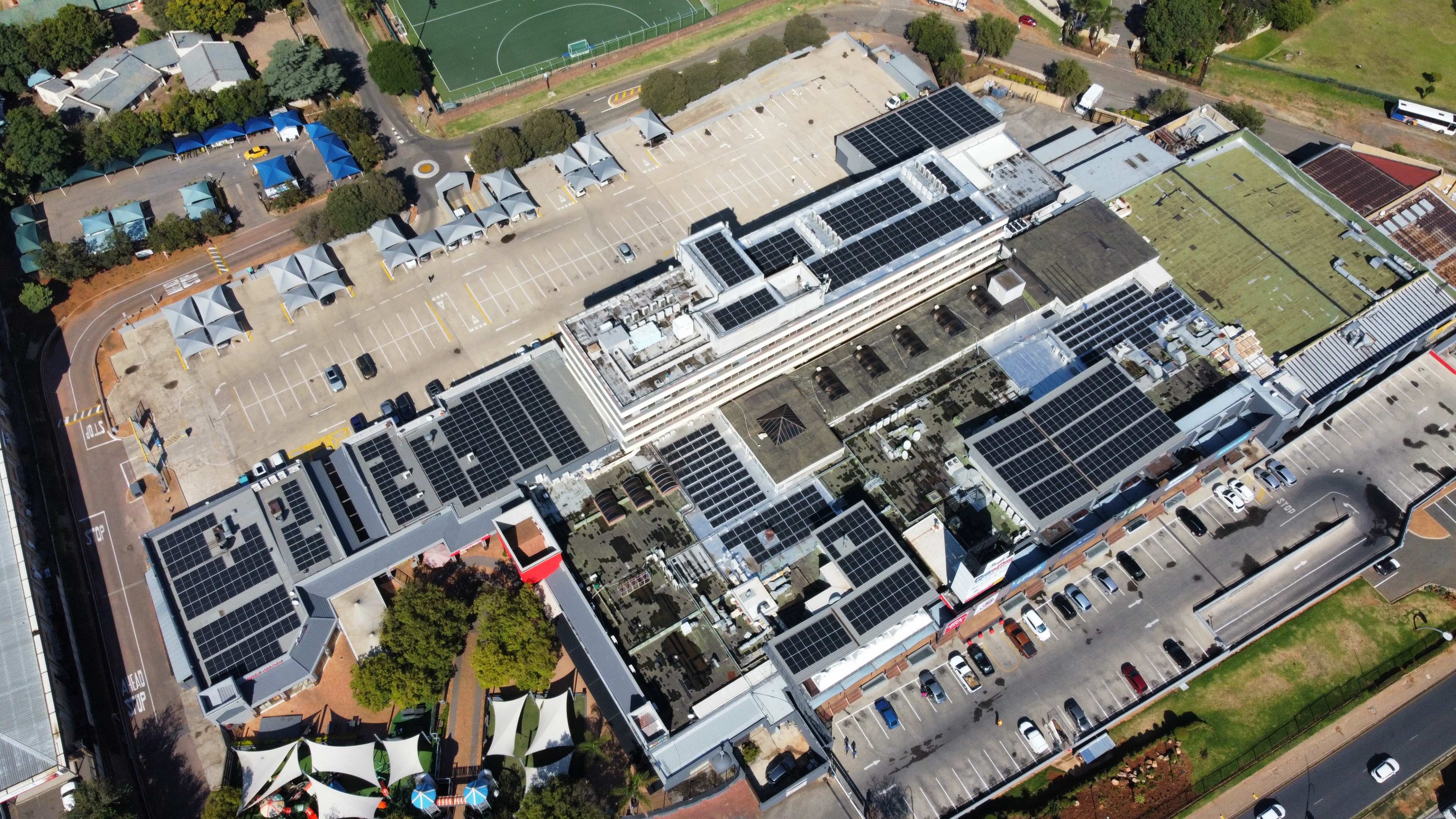
Design
A solar proposal is a prediction. The design decides whether it holds.
We design energy systems around the reality of your business, your site and your financial objectives.
Before anything is built, we model how the system should perform, what it should cost and what it should return. Our job is to reduce uncertainty before you commit capital.
Feasibility and the basic design are not chargeable.
Why design matters
A system is only as bankable as the design behind it.
Whether the numbers hold is decided by the engineering, the data and the assumptions underneath it. Design is where that work happens and where it can still be challenged, so you commit capital knowing what the system will do rather than hoping.
We fund systems as well as build them, so under a PPA or partnership a design has to convince us before it reaches you.
Energy Analysis
Your half-hourly consumption measured against expected generation, so the system is sized on how your site actually uses power rather than on an annual total.
Financial Modelling
Capital cost, tariff structure, self-consumption and degradation carried through to payback and IRR, with every assumption written next to the number it produced.
Technical Engineering
Structural, electrical and grid design worked against the real site: roof, orientation, shading, existing infrastructure and the constraints that come with them.
Compliance and quality
Electrical standards, engineering sign-offs and grid approvals designed in from the start, so the system is legal, insurable and built to hold.
Operations and property
How the plant will be monitored, maintained and safely reached in year twelve, and what it does to the roof it will sit on for twenty-five years.
Financial
Unlocking value through design.
The right system isn't the biggest system. It's the one that creates the best financial outcome for your business.
A good energy system does more than generate solar or store energy. It is designed around how your business actually uses energy, what the grid allows, what your tariff rewards and how the system will operate over its lifetime.
We start with the data, model the options and design the system around the decisions that will create the most value. The result is not simply a system that works. It is a system designed to work harder for the business.
Return-led
Payback, IRR, savings and lifetime value decide the design before it is finalised. Every rand of capital has to earn its place in the model.
Tariff-aware
We model the electricity you are actually avoiding, then design solar and storage to do their most valuable work under your tariff, not just their maximum output.
Performance guides lifetime value
An energy asset is valued on what it delivers, year after year. The design sustains that performance, and builds in the monitoring and control that keep unlocking it.
No unnecessary capacity
We don't recommend equipment simply because there is space to install it. Intelligently applied capital beats installed capacity.
What our own model gave up
We only count the energy your site actually uses.
Our models compare your half-hourly consumption against expected generation, hour by hour. Only the energy the site actually uses is counted as a saving. Generation that leaves the site, or that the inverter holds back because it cannot leave, is valued at nothing.
Modelled generation, month by month
The darker band is energy the site uses. The lighter band leaves the site.
13%
of everything this array makes leaves the site, mostly on weekends when the building is quiet. The model counts none of it as a saving.
The self-consumption share is published as an assumption on every case study, beside the tariff structure and yield it was modelled with. It is the multiplier on every unit the system will ever produce, so it belongs on the page with the figures it produced.
A model that assumes every unit is consumed produces a bigger saving on the same roof, and reads just as confidently. Check any case study and the self-consumption share is published beside the figures it produced.
Technical
Designed to perform as modelled.
A financial model is only as reliable as the engineering behind it.
We design around your site’s actual conditions, from interval meter data and roof geometry to equipment characteristics, electrical infrastructure and operating constraints. The objective is simple: the system we build should behave like the system we modelled.
Actual consumption data
We use your real load profile wherever available, rather than relying on generic assumptions.
Site-specific design
Roof space, orientation, shading, electrical infrastructure and site constraints are incorporated into the design.
Performance modelling
Expected generation and system behaviour are modelled before construction.
Engineered for reality
Equipment selection, string design, cable sizing, protection and system architecture are checked against the conditions the system will actually operate in.
One week, hour by hour
Two curves matter here. The dotted line is what the site would draw with no solar at all. The edge of the grey area is what it still buys once the array is running, and the gap between them is the saving. At the weekend the building goes quiet, grey drops below zero, and the surplus leaves the site earning close to nothing.
A real week from one of our models, hour by hour. Over these seven days the site drew 6,664 kWh and the array made 3,549 kWh, of which 403 kWh left the site because the building was closed. That is the shape every savings figure is actually built on.
Compliance
Compliance is designed in, not checked at the end.
A system isn't properly designed if it only works on paper. It needs to work safely, legally and reliably in the real world.
Our designs incorporate the engineering checks, electrical standards, grid requirements and approval processes relevant to the project from the outset. Compliance is part of the design process, not a box to tick before handover.
Seventeen of seventeen.
Every project we publish records a structural sign-off, an electrical sign-off from a registered professional engineer, an electrical Certificate of Compliance and a lightning risk assessment. The useful question to put to any quote is which of the four it has priced.
Electrical safety
We design the protection, isolation, earthing and electrical architecture, and check them against the standards that apply before anything is installed.
Grid requirements
We design to grid connection and SSEG requirements from day one, so approval is part of the plan, not a surprise at the end.
Engineering review
Critical decisions carry structural and electrical sign-off by registered professionals: the same sign-offs recorded on every published project.
Documentation
We document the design so that what was approved, what was built and what must be maintained are the same system on paper.
Operations and longevity
Designed to perform long after commissioning.
The best energy system isn't simply the one that works on day one. It's the one that remains serviceable years later.
We consider how the system will be monitored, maintained, repaired and operated throughout its life. Equipment selection, access, layout, communications and monitoring are all decided with the long term in mind, because a system that is hard to maintain in year twelve quietly erodes the return it was bought for. Serviceability is how the investment is protected.
Serviceable
We select and arrange equipment so it can be reached, isolated and replaced without dismantling the system around it.
Monitorable
Monitoring is built into the design, so underperformance shows up in the data before it shows up in your bill.
Accessible
We plan safe access to every critical component before the layout is fixed. Maintenance you can't reach is maintenance that doesn't happen.
Built for its operating life
We model degradation, anticipate replacements and design assuming we will still be operating the system in year twenty.
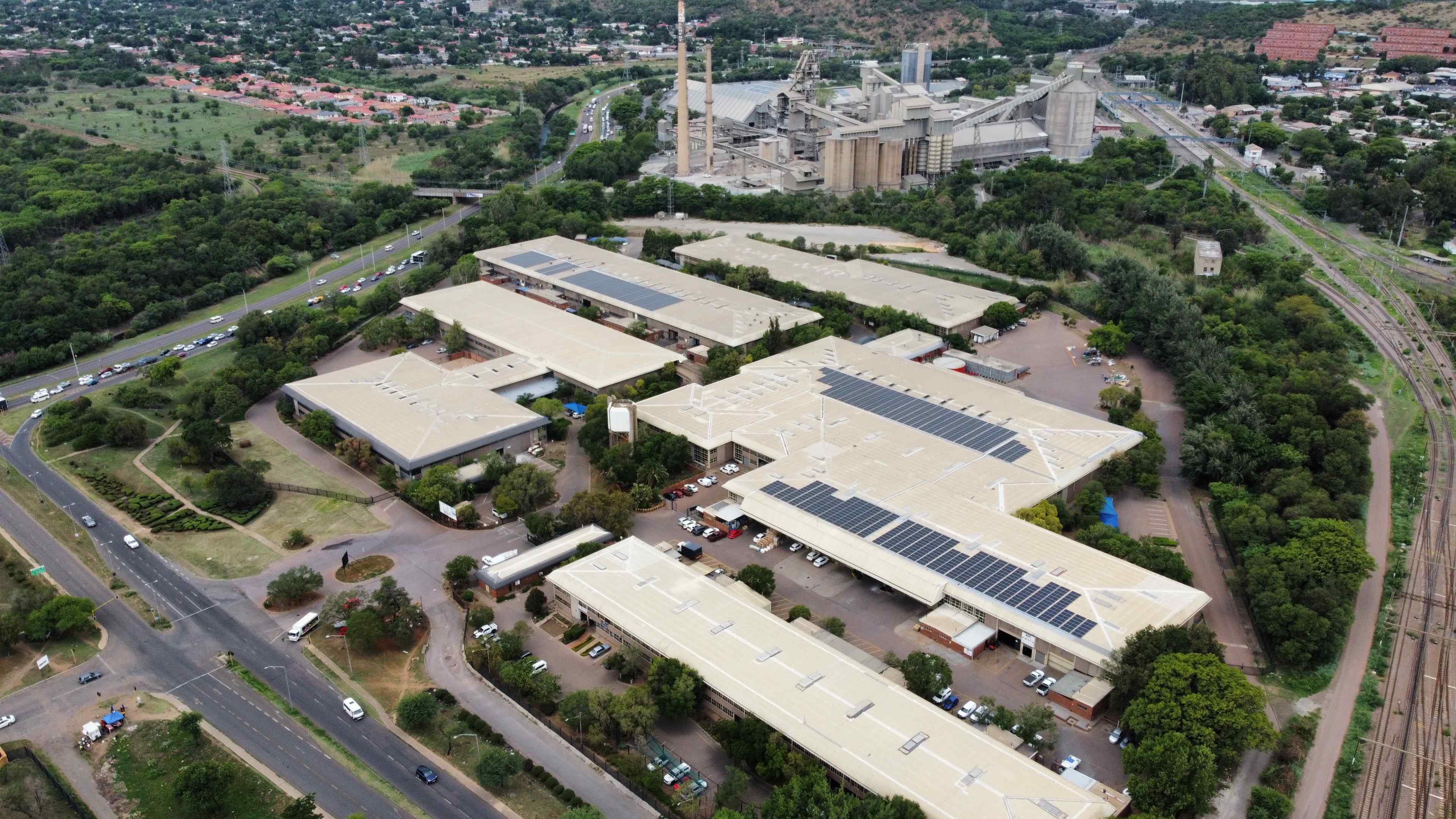
Your business and property
We protect the property, not just the solar system.
Your roof is an asset. Your operations are an asset. The solar system has to work around both.
We design around the building and the business it supports. That means considering roof integrity, access, drainage, fire safety, future development, maintenance requirements and how the installation affects the way your property operates.
Protect the roof
We design the installation to work with the building — its loads, waterproofing and roof life — rather than compromise the asset it sits on.
Protect operations
We plan construction, maintenance and equipment placement around your operations, so the work doesn't get in the way of the business.
Plan for change
We design for what the property might become — expansion, alteration, a change of use — not just what it is today.
Design for access
We fix equipment positions and maintenance routes before installation, not after the roof is full.
Price
Cheaper is not the same as better.
The lowest project price can be the most expensive decision if it compromises performance.
We evaluate cost in the context of what the system is expected to produce and save over its life. Equipment, engineering and construction decisions are therefore judged on their impact on performance and long-term returns, not simply on the lowest upfront price.
Upfront cost
What you pay to build the system.
Expected performance
What the system is designed to produce.
Operating cost
What it will cost to maintain and operate.
Lifetime return
What matters most: the value the asset creates over its useful life.
We don’t optimise for the lowest price. We optimise for the best investment.
Before you commit
Know what you're buying. Know what it should deliver.
Before you commit capital, you should be able to understand the design, challenge the assumptions and be confident in the numbers.
We believe a proposal should stand up to scrutiny. You should know what will be installed, why it has been designed that way, what it is expected to deliver and what assumptions sit behind the financial model.
Before construction, you should know
- What is being installed
- Why it has been sized that way
- What it is expected to produce
- What savings are being modelled
- What the financial return is based on
- What assumptions could change the outcome
- How the system will be monitored and maintained
- How the design protects your property and operations

Confidence comes before commitment.
We do the engineering upfront so you can make the investment decision with confidence. Detailed design begins once the project is accepted.
Common questions
Design and feasibility FAQs
Do you charge for design and feasibility?
Feasibility and the basic design are not chargeable. Detailed design begins once the project is accepted. That means the analysis which might conclude the system should be smaller, or that the roof needs work before anything goes on it, is not analysis you have paid for.
What does a feasibility study include?
A load analysis built on your consumption data, system sizing options modelled against your own tariff structure, a structural and layout assessment of the roof, the embedded-generation application, and a financial summary covering payback and IRR. You get the assumptions as well as the outputs, so the numbers can be interrogated rather than taken on trust.
We only have monthly bills. Can you still do this?
Yes, and monthly bills establish the scale of the opportunity. Half-hourly interval data settles the sizing, because it shows how much of the generation you would use on site rather than send to the grid, and two sites with identical monthly bills can need very different systems. Large commercial accounts are billed off meters that log every thirty minutes, and the profile can be requested. We tell you which of the two your model was built on.
Isn't a bigger system always better value per kilowatt?
Per kilowatt, yes, and that is what makes oversizing tempting. Design, sign-offs, registration and mobilisation barely move as a system grows, so spreading them over more kilowatts pulls the rate down. That is the figure quotes compete on. It is also the figure that says nothing about what the extra kilowatts will earn. Above the point where your site consumes what it makes, the surplus is exported for a credit set well below your tariff, or held back by an export limiter, while the capital keeps climbing at the rate it always did.
What is an SSEG application and do I need one?
Small-Scale Embedded Generation registration is the approval process municipalities and Eskom require before a grid-tied system may operate. Most commercial systems need one. We prepare and manage the application as part of the design phase.
Will the system keep running during load shedding?
Not on its own. A grid-tied plant disconnects the moment the grid goes down. Anti-islanding under NRS 097-2-1 exists so that nobody is working on a line your inverter is feeding. Riding through an outage takes storage, an inverter that can form its own grid, and a changeover that separates the backed-up circuits, and that layer costs real money. Whether it is worth it is a scoping question we answer from your load and what an outage costs you, not an assumption either way.
How accurate are your projections?
Every figure we publish is a design-stage model and we label it as one. What goes with it is the working: the tariff structure and the tariff year the savings were valued at, the specific yield, the self-consumption share and whether a load-shedding loss was allowed for. We monitor the systems we operate, and as that reporting comes online these projections will be replaced with measured production, with the distinction kept visible rather than quietly dropped.
See the design before you commit.
Tell us your monthly electricity usage and we'll model your consumption, sizing options and payback, with the assumptions published beside the numbers. Feasibility and the basic design are not chargeable.