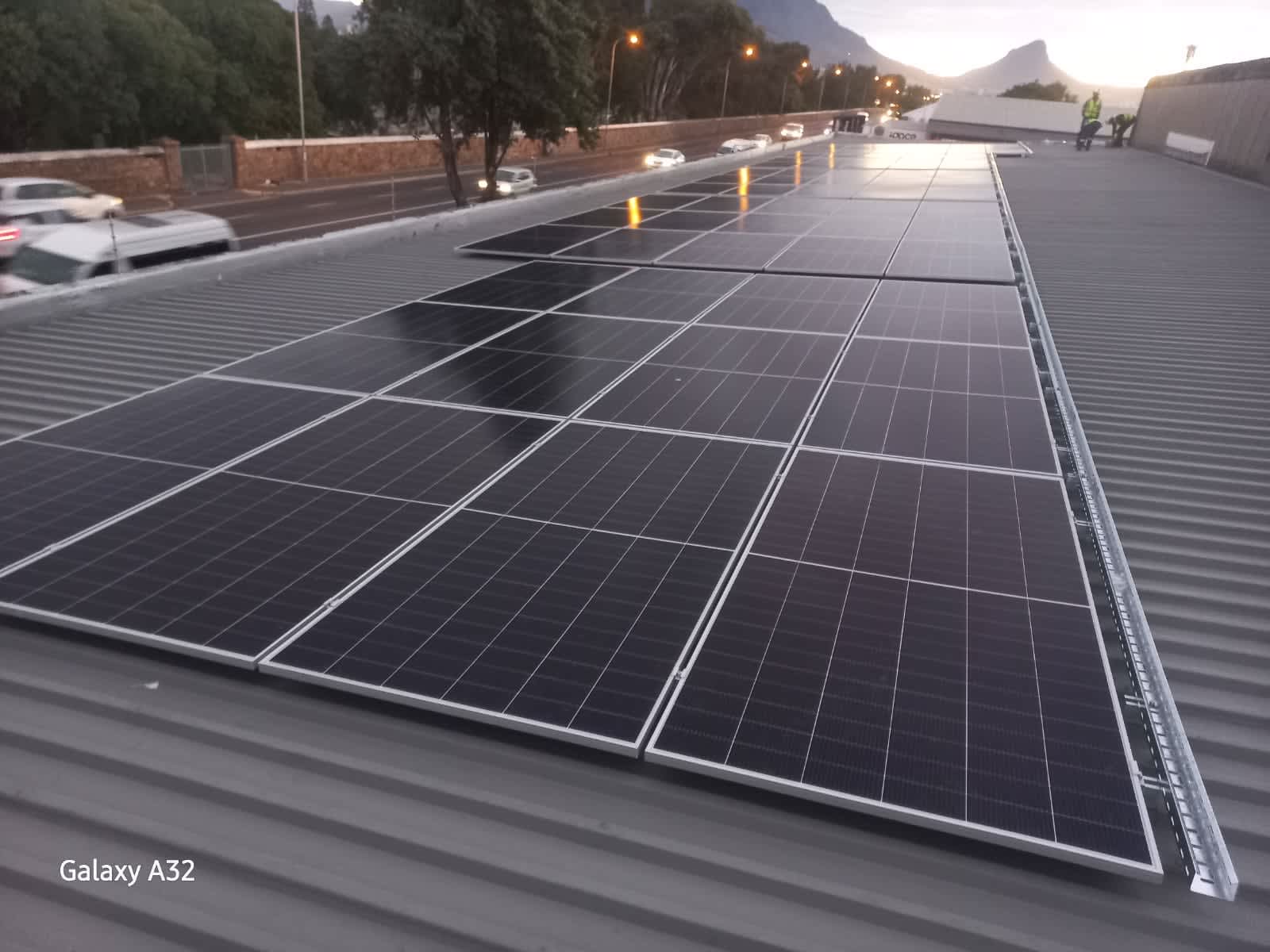
Operate
An energy asset only creates value if it keeps performing.
Monitoring, maintenance, optimisation and monthly performance reporting for the life of the asset. Because a solar and battery system’s value is tied to its continuous performance, someone needs to be accountable for what happens in year twelve as much as year one.
Who this is for
Owners who need the asset to keep performing, not just to exist
A system can be commissioned perfectly and still lose value over time. A failed string, soiled array, inverter fault or degrading component can quietly reduce production for months if nobody is watching. Operations is what protects the financial case after commissioning, making sure the performance you invested in continues to show up in the numbers.
Why operations matter
Operations has two jobs. Protect performance and unlock value.
Keeping the system healthy protects the return you invested in. Operating it intelligently is how the same equipment can create more value. Both are part of the investment, and both continue long after commissioning.
Protect the performance
A failed string, a soiled array, an inverter drifting out of spec: none of them announce themselves. Left unwatched, they take a few percent here and a few percent there until the business case has quietly eroded. Continuous monitoring against expected performance helps identify lost generation early, rather than discovering it months later in an annual review.
Unlock the value
A healthy system can still leave money behind. Batteries create value through decisions about when to charge, when to discharge and what energy they are replacing. Solar creates more value when it is matched to the site’s load and tariff. Operating the system around your load, tariff and grid conditions is how the same equipment can deliver more value over its lifetime.
What's included
Know what's happening. Act when it matters.
The same monitoring discipline that lets us publish real case-study data is applied to every asset we operate.
24/7 remote monitoring
Every system reports continuously to our monitoring platform. Production, inverter health and system performance are monitored against expected behaviour, so a developing problem can be identified before it becomes a material loss.
Fault detection & response
When performance deviates from expectations, we investigate the cause, diagnose remotely where possible and dispatch a technician where required. The objective is simple: minimise the time between a problem occurring and it being resolved.
Preventative maintenance
Scheduled inspections, cleaning and component checks that keep the system generating at specification and protect the equipment warranties, planned around your operations rather than disrupting them.
Monthly performance reporting
A monthly report showing measured production, savings, availability and material events as they actually occurred. You can see what the asset produced, what it was expected to produce and where performance needs attention.
How it works
From commissioning baseline to monthly report
Baseline at commissioning
The system's commissioning data establishes its initial operating condition. From there, expected performance is modelled against actual operating conditions, creating a baseline against which production and system health can be monitored over time.
Continuous monitoring
Data flows to our platform around the clock. Automated checks compare live output against expected generation for the conditions, flagging deviations early.
Maintain & respond
Preventative maintenance runs on schedule; alerts are actioned as they arise. The aim is to keep the system operating within its expected performance range and to address deviations before they become material losses.
Report & review
You receive a monthly performance report, and we review the asset's trajectory with you, so the system's contribution stays visible for the life of the agreement.
Who operates it
An operator on your side is worth real money.
Most of what a good operator prevents never makes it into a report: the fault found in week one instead of month six, the warranty claim supported by the right evidence, the replacement planned before a failure becomes an outage. The value of an operator is often measured in the problems the client never has to experience.
We know what we built
Every system we have built, we operate. The engineers responsible for your system have access to its design model, as-built documentation and commissioning data when they operate it.
We know what normal looks like
Experience across 40+ operating systems gives us a reference point for how a healthy system should behave, from seasonal patterns and soiling to recurring inverter and equipment issues.
We have skin in the game
On many of the systems we operate, our own income depends on how they perform. That gives us a financial reason to pay attention when performance moves in the wrong direction.
You shouldn’t have to become a part-time energy expert to defend your own business case. Your operator should be able to show you, in clear numbers, whether the asset is delivering what it was designed to deliver, and explain what happens when it isn’t.
See the fleet this experience comes fromBuilt and modelled
712 MWh in year one, and every month accounted for
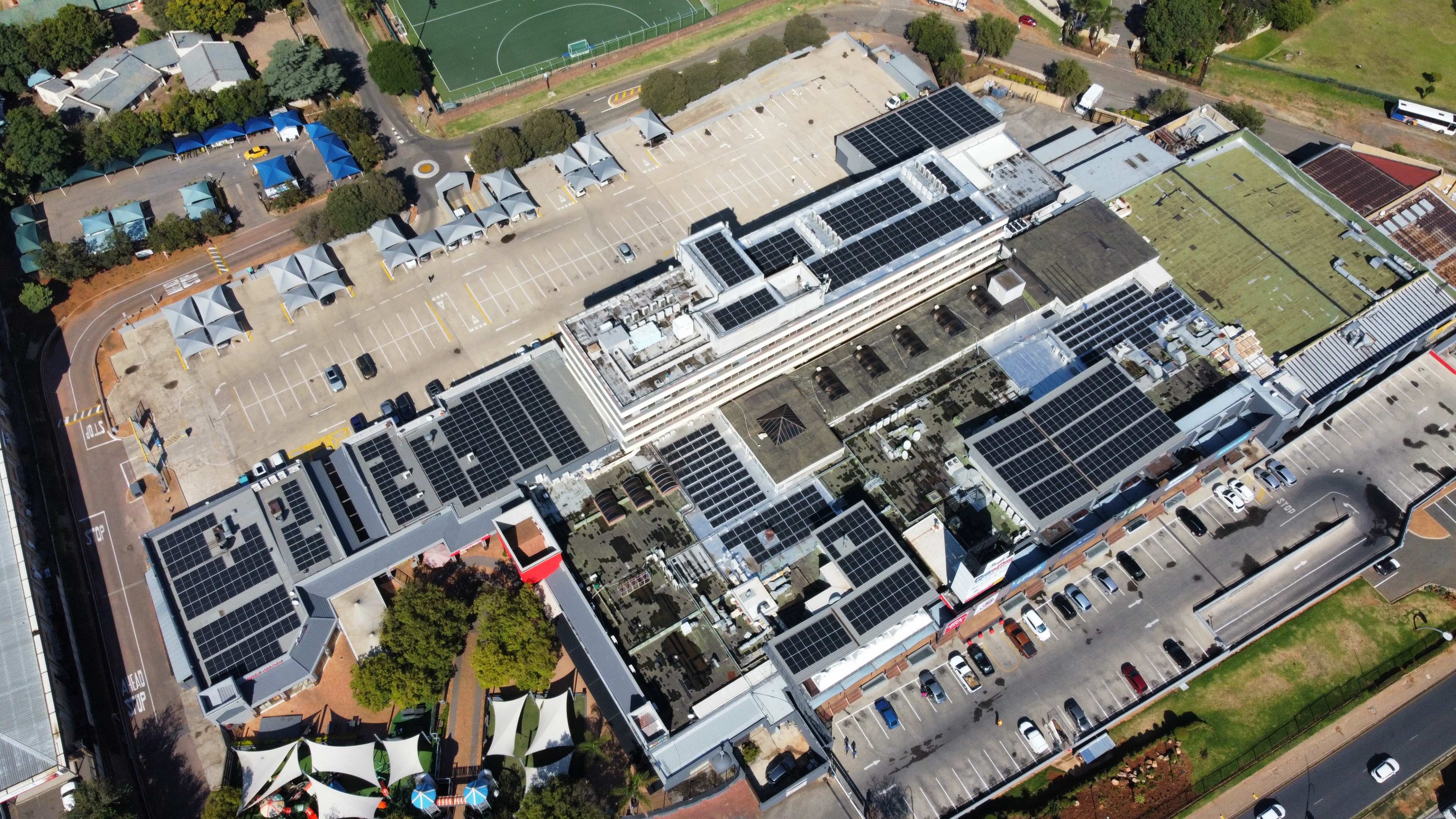
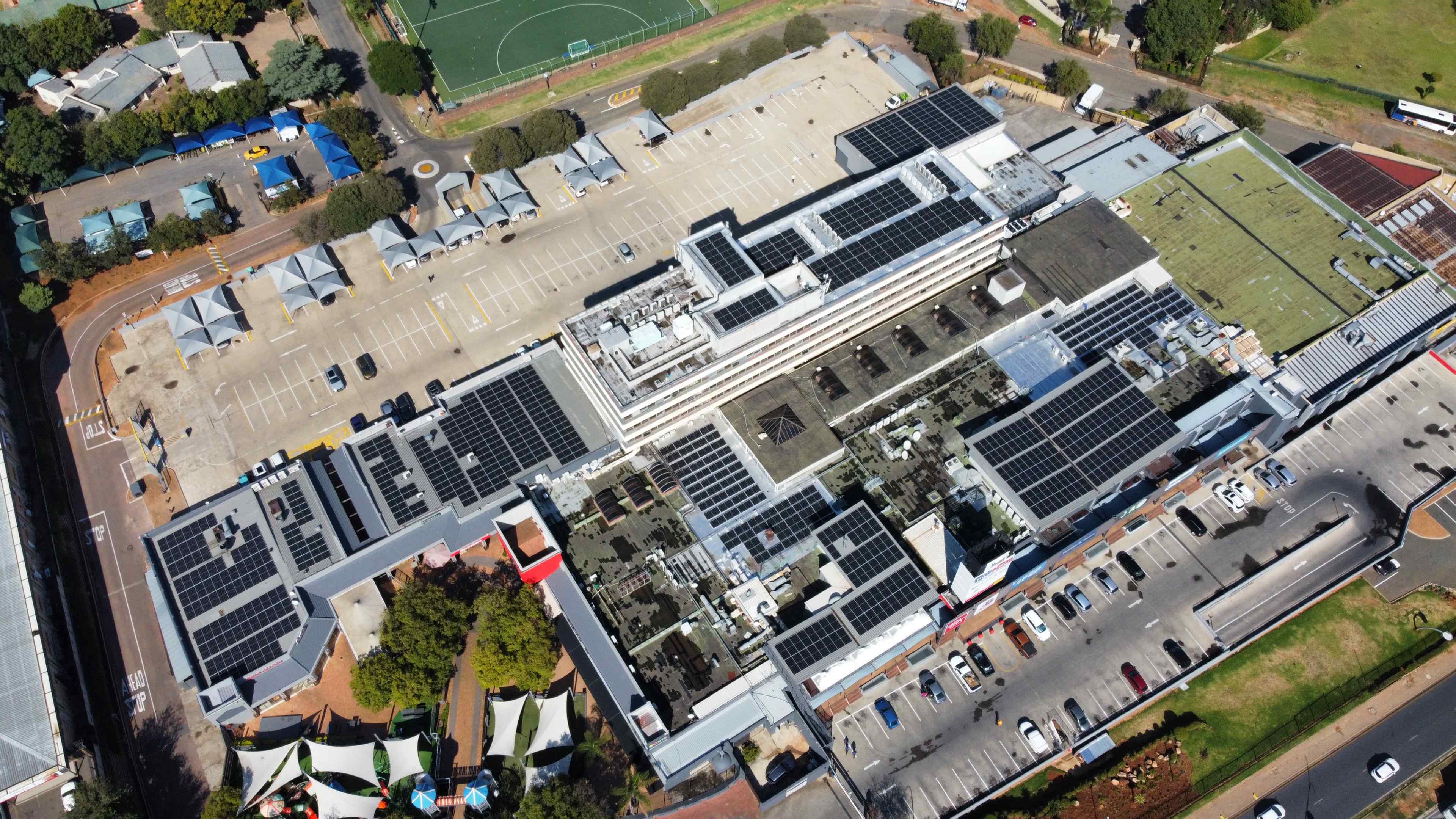
Heathway Shopping Centre is a 492 kWp retail installation producing 712 MWh a year and saving R1.58 million, at a 3-year payback and 38% IRR. Numbers like these only stay true while the system is monitored and maintained.
Common questions
Operations FAQs
What does ongoing operation cost under a PPA?
Nothing extra. Under a Power Purchase Agreement, Focal owns and operates the system, so monitoring, maintenance and reporting are our responsibility and cost. You simply pay the agreed rate for the electricity produced. Under a cash purchase, operations are provided as a separate service agreement.
What availability can we expect?
We don't publish an uptime number we can't yet prove. Real systems have weather, grid events and occasional faults; what we commit to is continuous monitoring against the system's expected performance, faults actioned as they arise, and a monthly report that shows availability as it actually was, good month or bad. When our fleet reporting supports a published figure, it will be a measured one, not a target.
How will I know if my system is underperforming?
You won't have to work it out yourself. Live output is compared against expected generation continuously, and your monthly report shows measured production and availability as they actually were. If a system drifts below where it should be, we see it in the data before it shows up as a larger electricity bill.
Do you maintain systems you didn't build?
Our operations service is designed around systems we designed and built, because we hold the commissioning baseline and the as-built documentation. We assess taking on third-party systems case by case, starting with a performance audit to establish where the asset actually stands.
What happens if a component fails?
Monitoring flags the fault; we diagnose it remotely where possible and dispatch a technician where a site visit is needed. Because we operate the asset under a long-term agreement, resolving faults quickly is our problem to own, not a change order to negotiate.
Know the numbers, every month.
Tell us about your site and your system, and we'll show you what operating an asset with Focal looks like: the monitoring, the monthly report and the numbers behind it.