Commercial solar · Johannesburg

Commercial solar for Johannesburg businesses

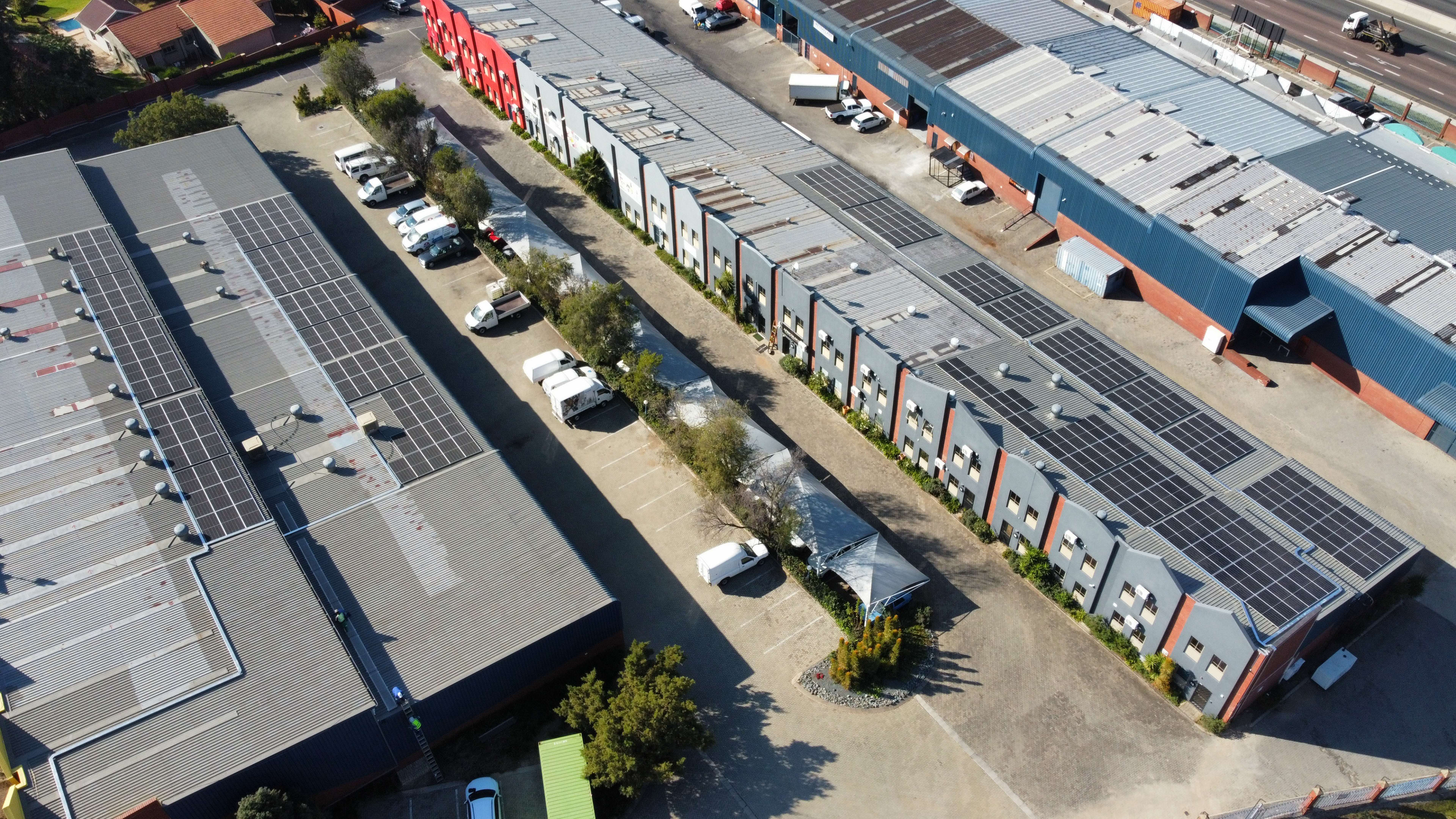
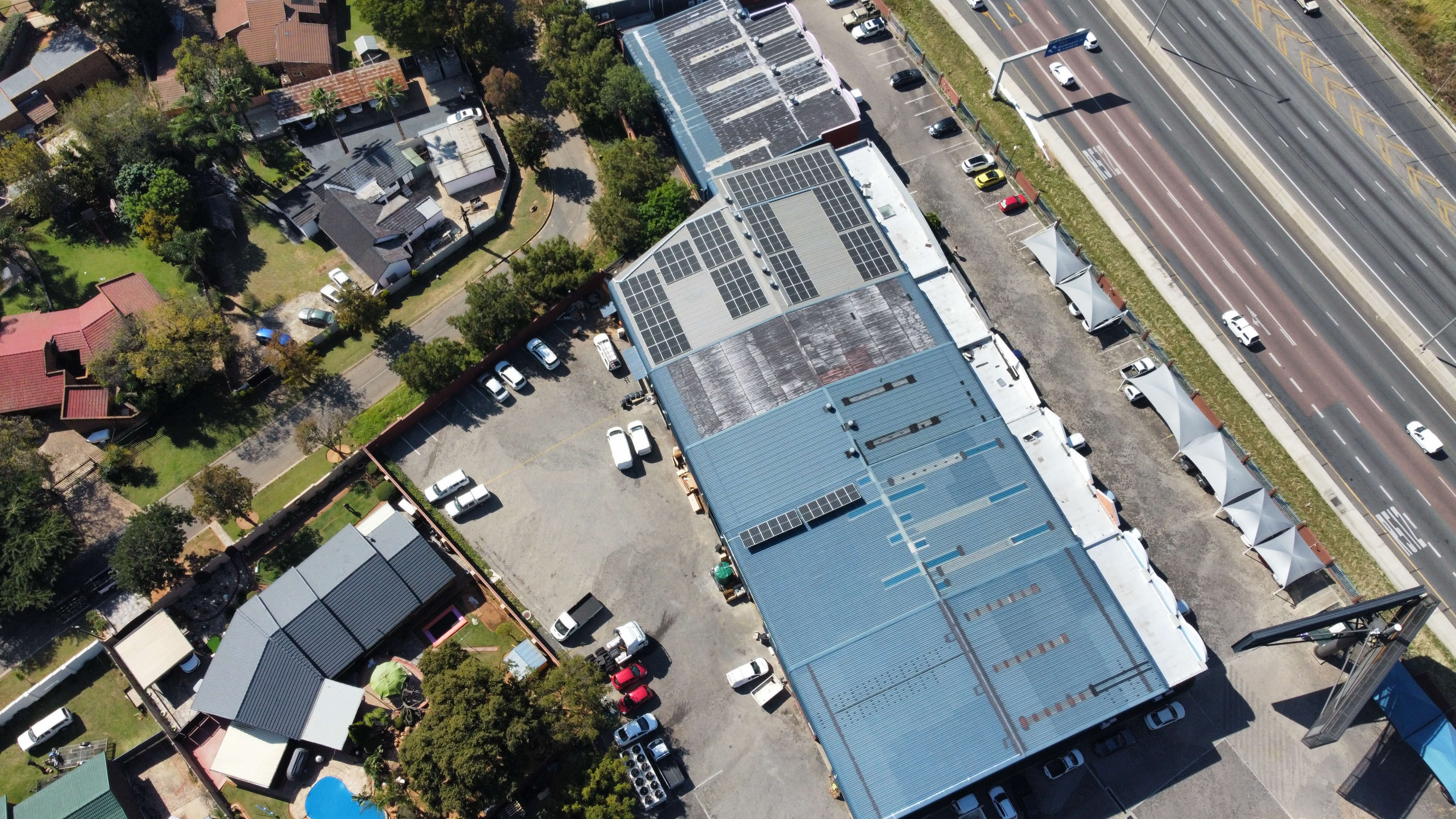
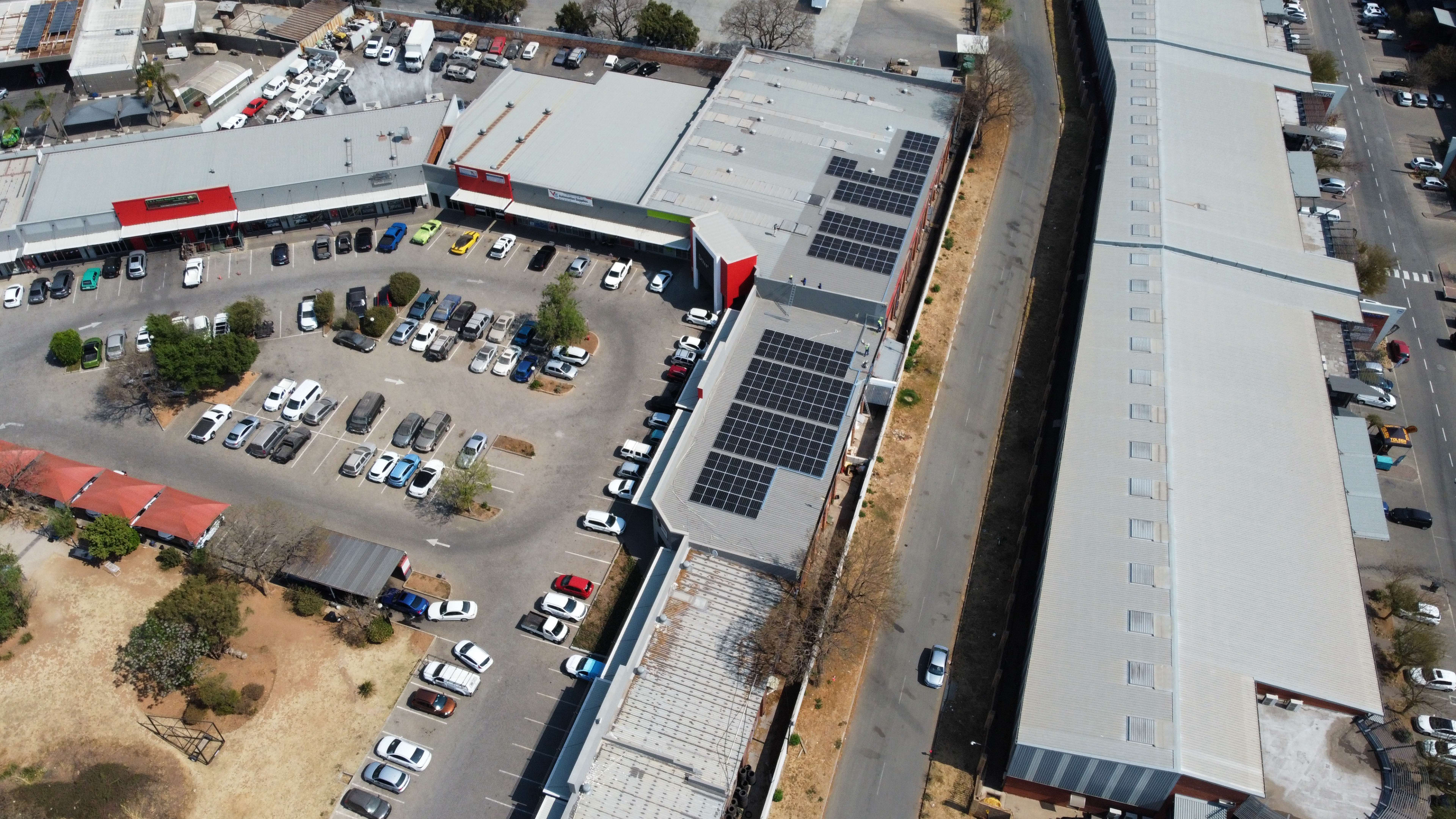
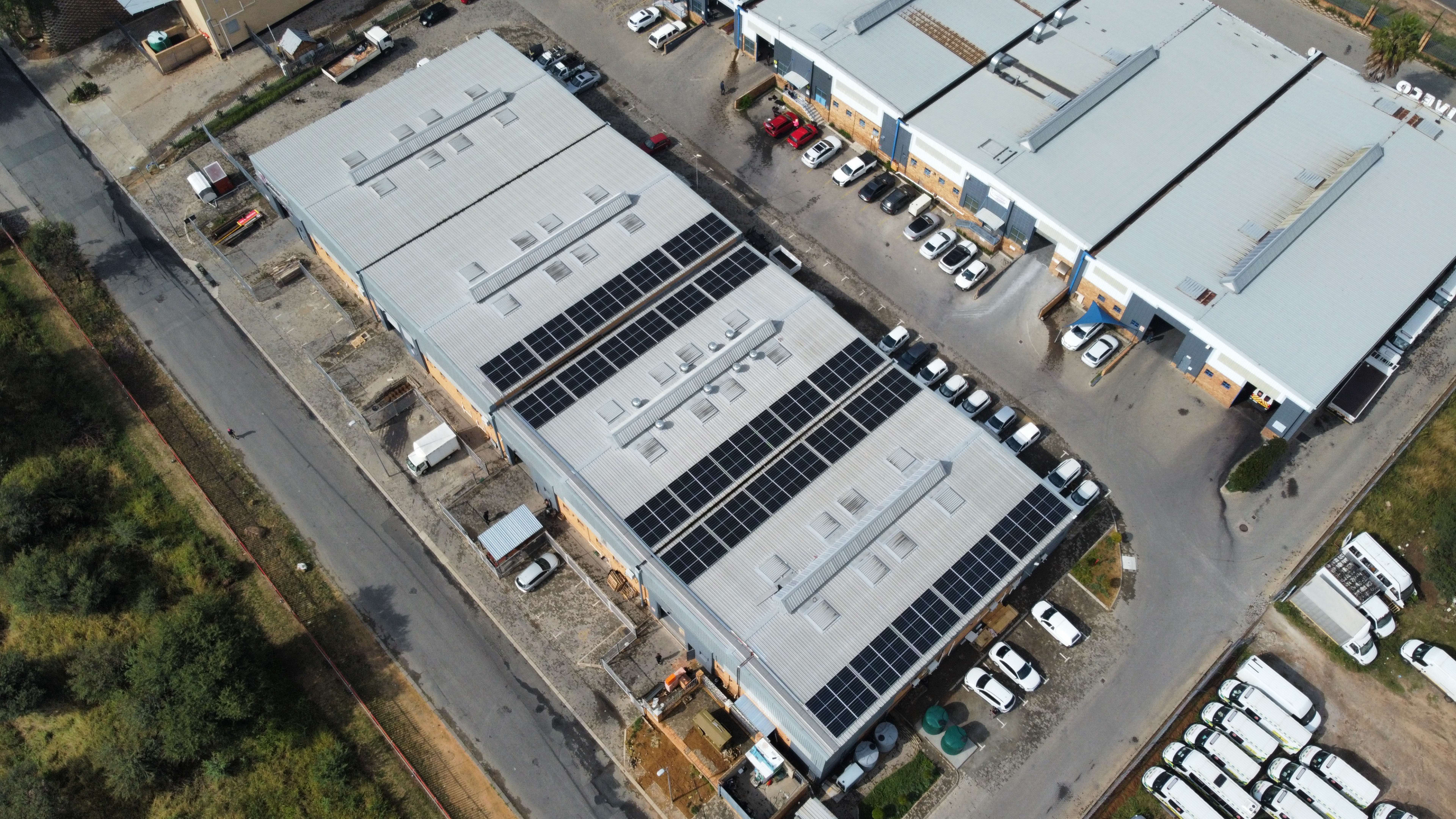
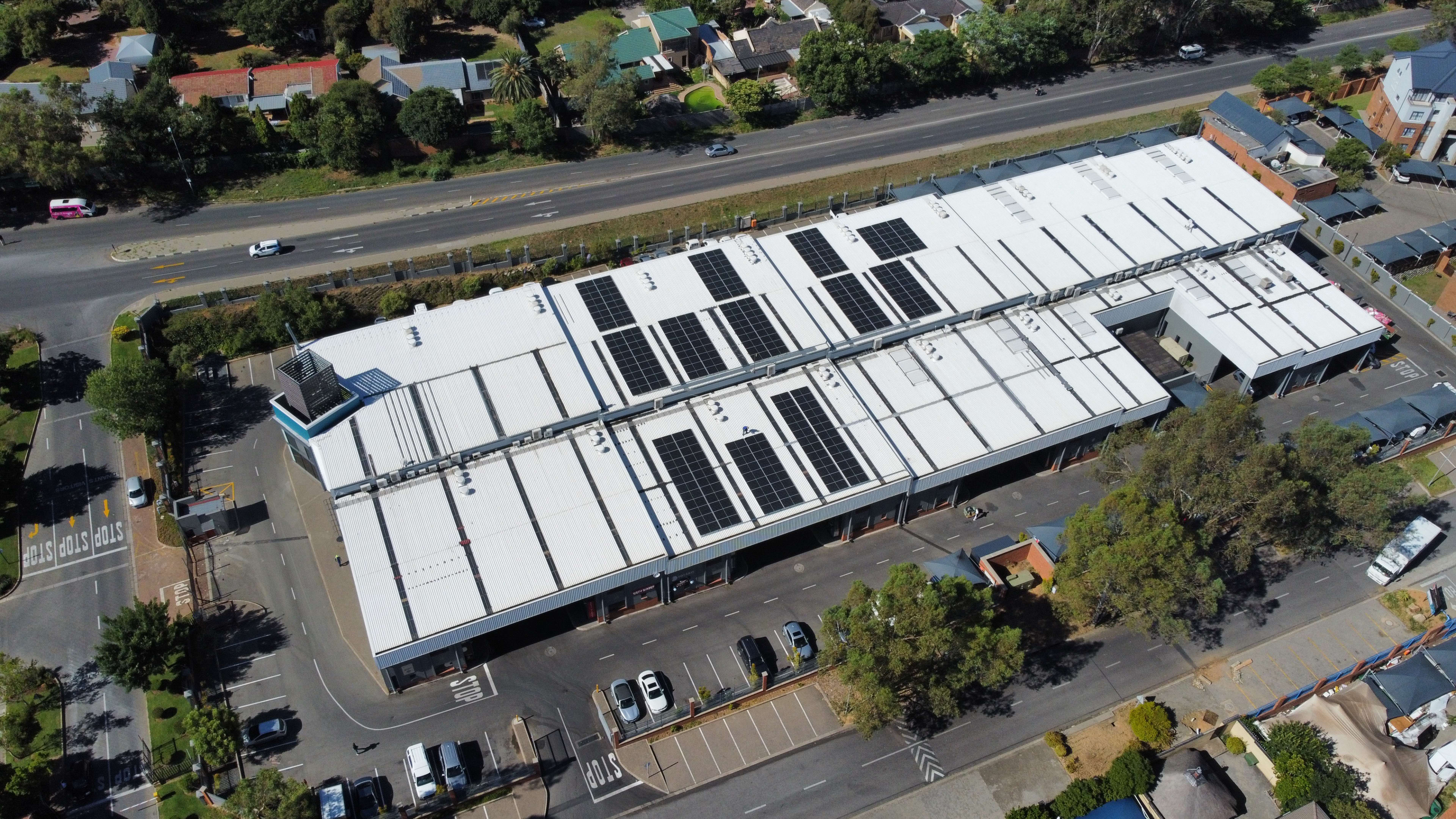
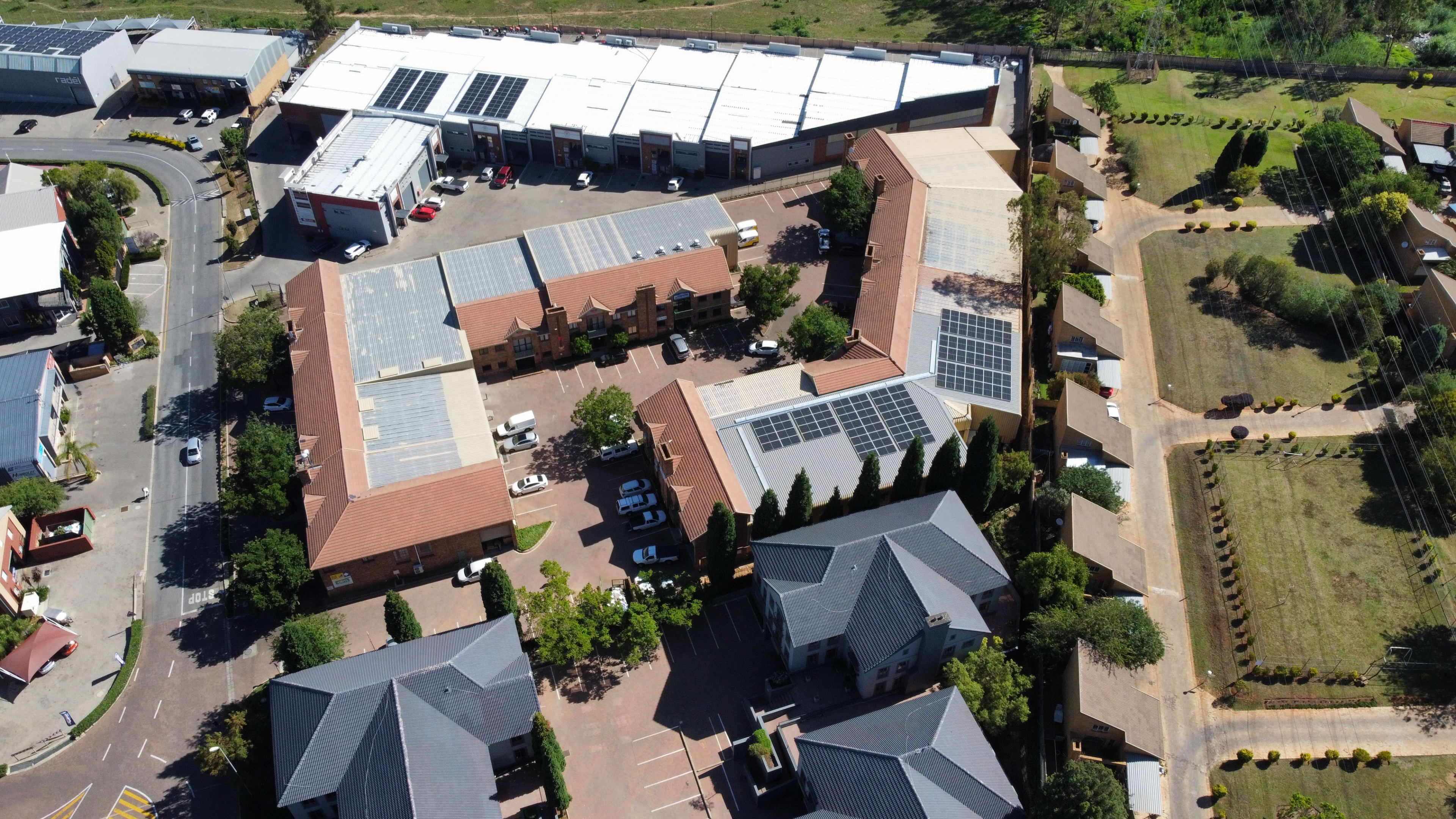
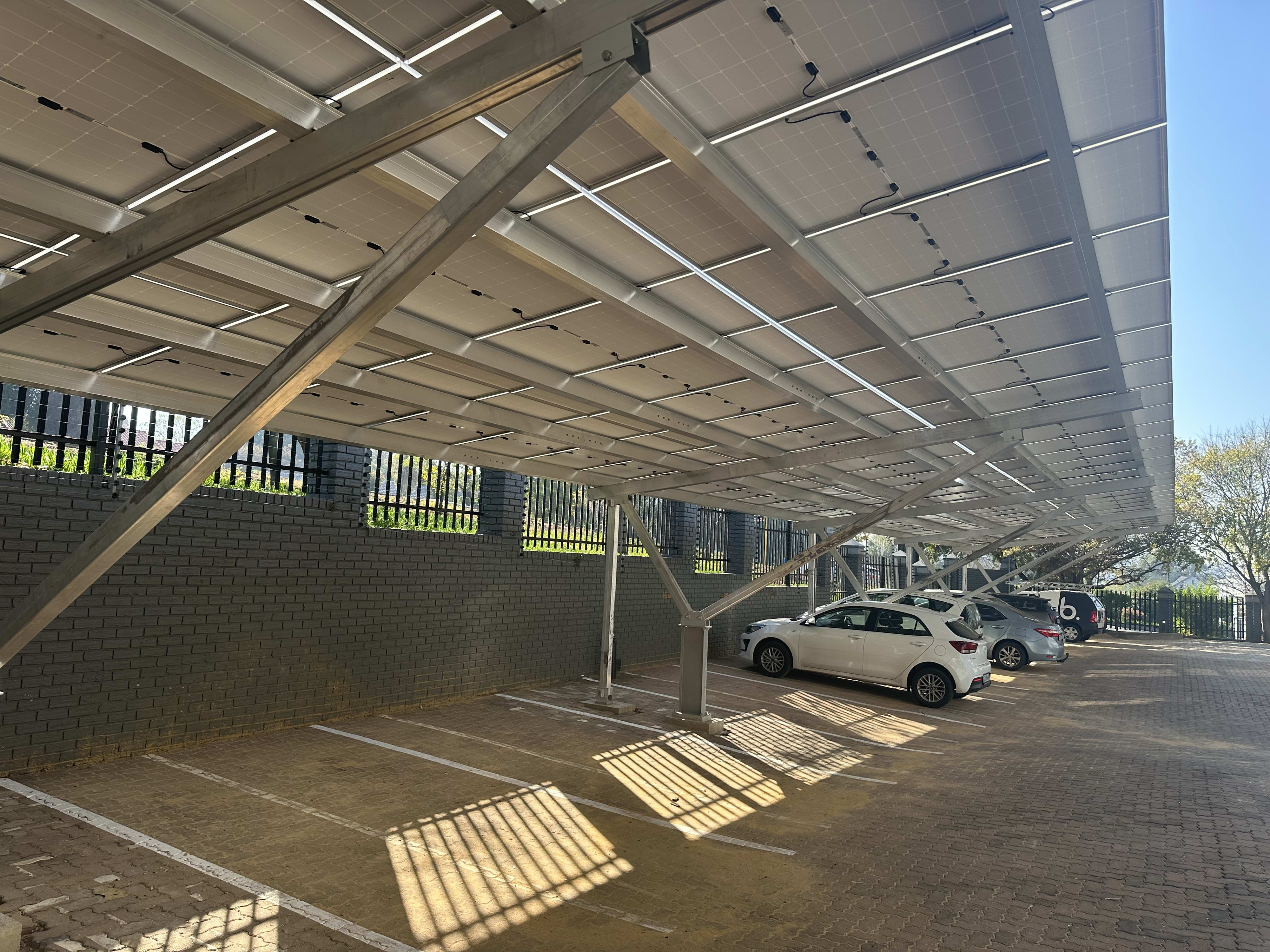
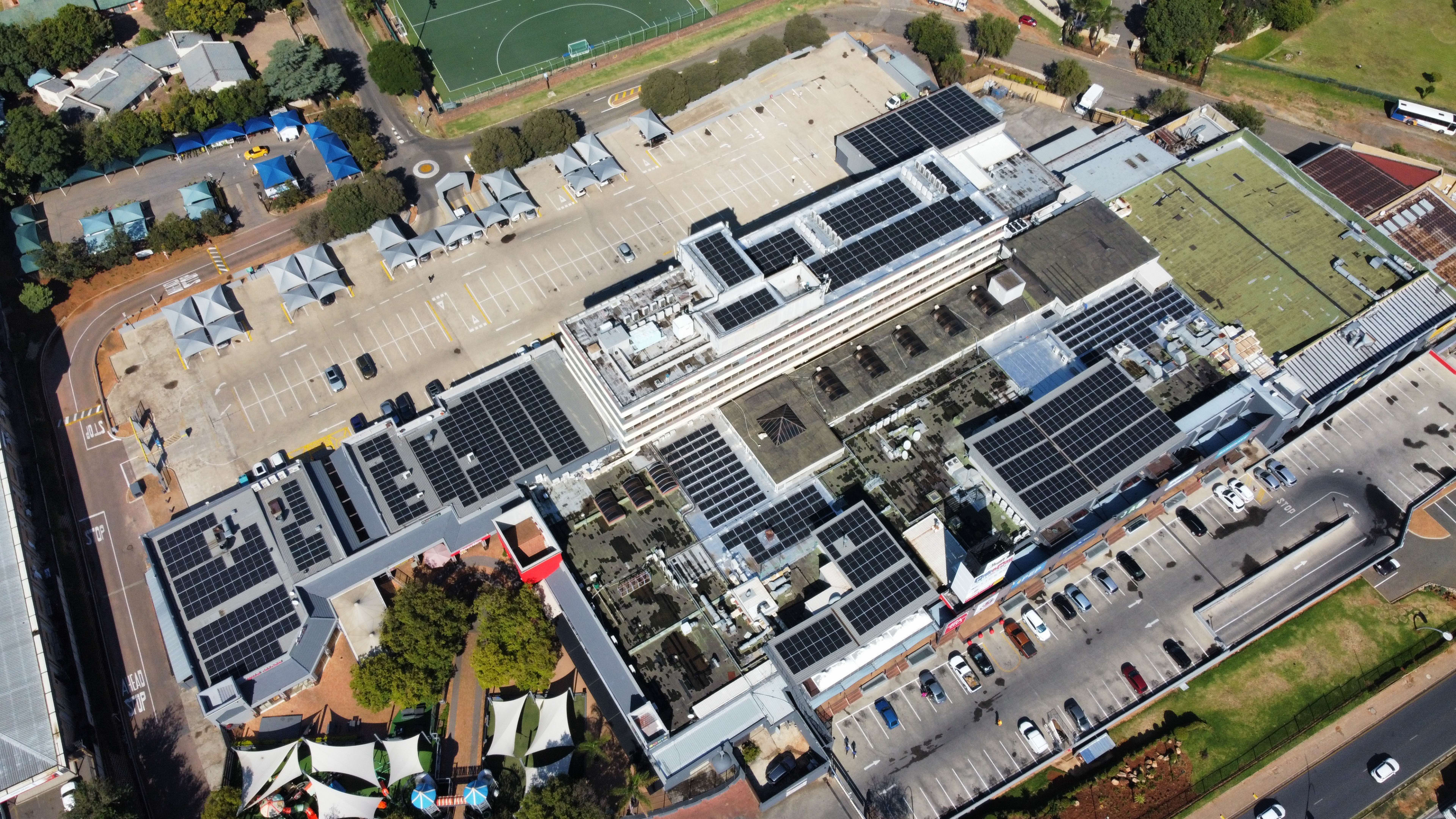
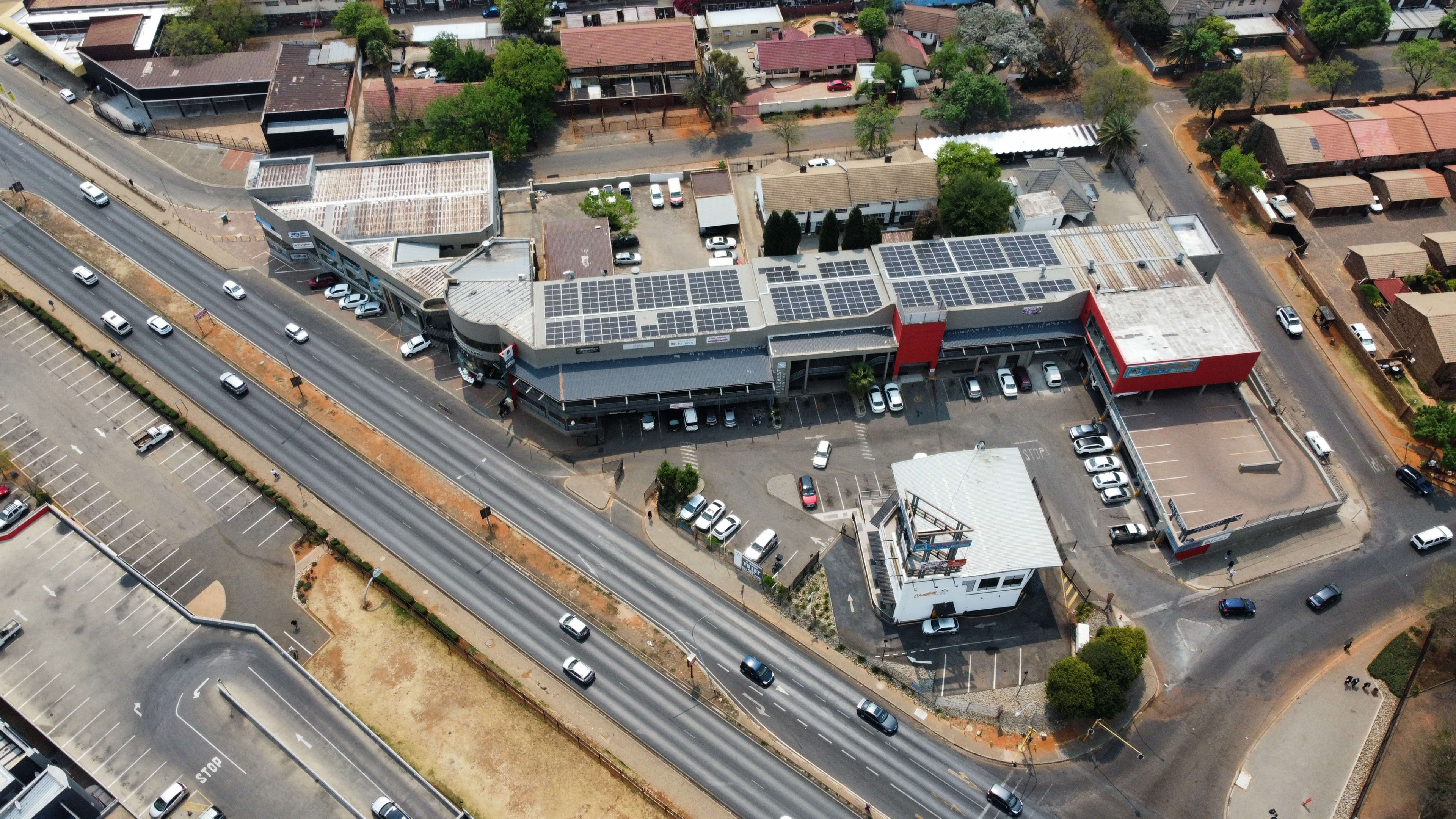
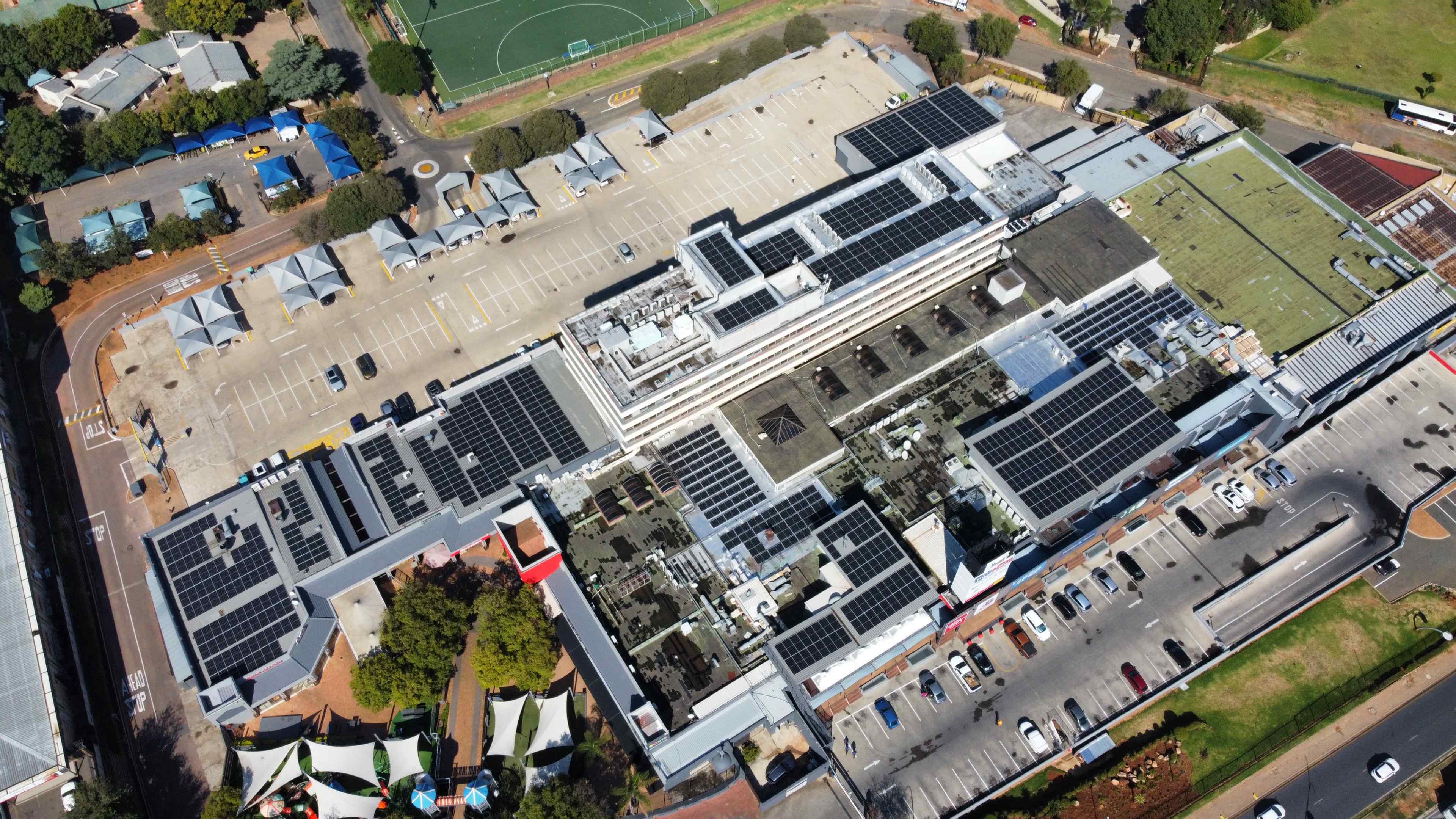
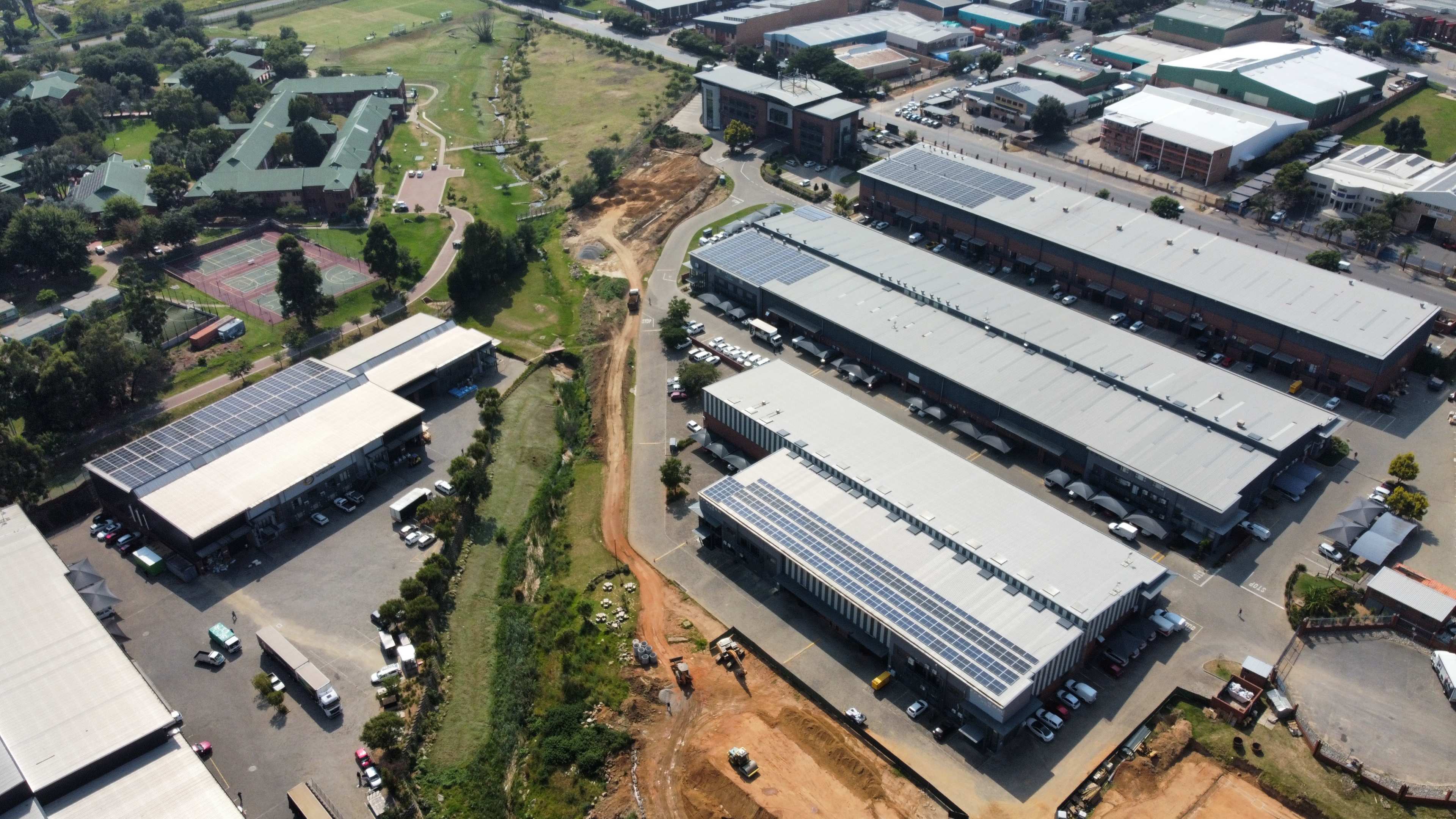
We design, finance, build and operate rooftop solar for Johannesburg businesses. Thirteen of our published projects are here, 2,297 kWp in all, on factories, business parks and shopping centres from Laser Park to Roodepoort.

All thirteen buy their grid power from City Power, across its three business tariffs. We work with its rules, its approvals and its bills every month.

13

Johannesburg projects published

2,297 kWp

Installed across them

547 kWp

Largest single site, Kimbult Industrial Park

3

City Power business tariffs our sites run on

Who supplies you

City Power or Eskom? Check your bill first

Most Johannesburg businesses buy their electricity from City Power, but Eskom supplies parts of the city directly. The supplier sets your tariff, your approval process and what solar saves.

Supply follows the distribution licence, not the municipal boundary. Eskom holds the licence for parts of Sandton and Soweto, and for Diepsloot, Ivory Park and Orange Farm. Other reports add parts of Bryanston, Fourways, Sunninghill and Waterfall. Two buildings in the same suburb can be on different tariffs.

The name on your electricity account settles it. A City Power account follows City Power’s tariffs and approval process. An Eskom account follows Eskom’s, which this page does not cover.

Sources: Eskom and City Power joint statement on the transfer memorandum, October 2021. The wider list is from secondary reports and is not confirmed by either utility.

Where we work

Johannesburg, corridor by corridor

Johannesburg's spatial plan names about thirty industrial nodes. We group them, with the office and retail areas around them, into six corridors. The buildings, the loads and the tariffs change from one corridor to the next, and so does the design.

Corridor 1

Honeydew, Laser Park and Kya Sands

Areas
Laser Park, Kya Sands, Strydompark (Strijdom Park) and Lanseria, with the business districts of Honeydew, Randburg and Fourways around them.
What is here
Warehouses, light manufacturing and logistics under large, open roofs. Kya Sands and Lanseria are among the city's industrial nodes with the most development applications since 2007.
What matters for solar
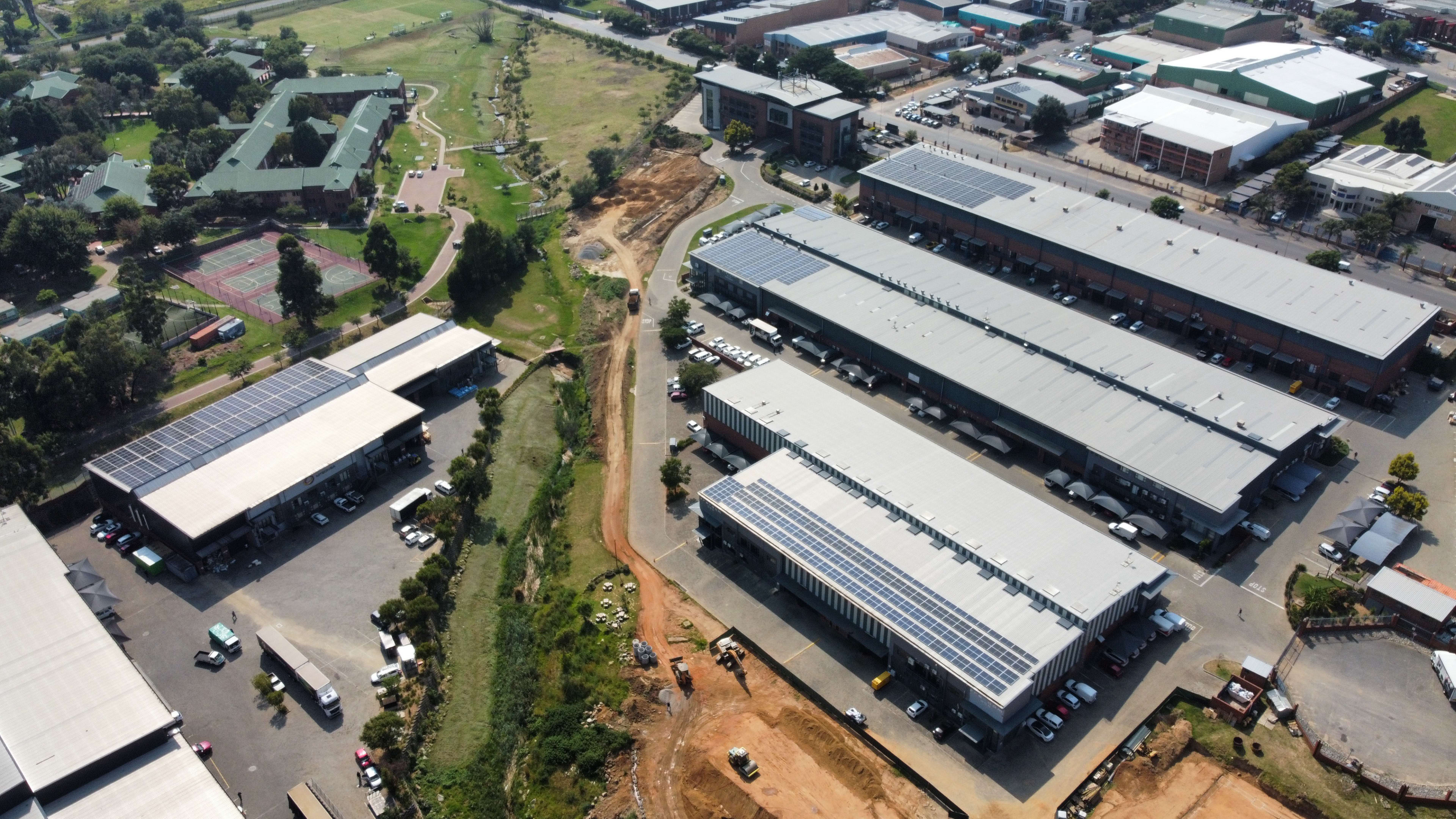
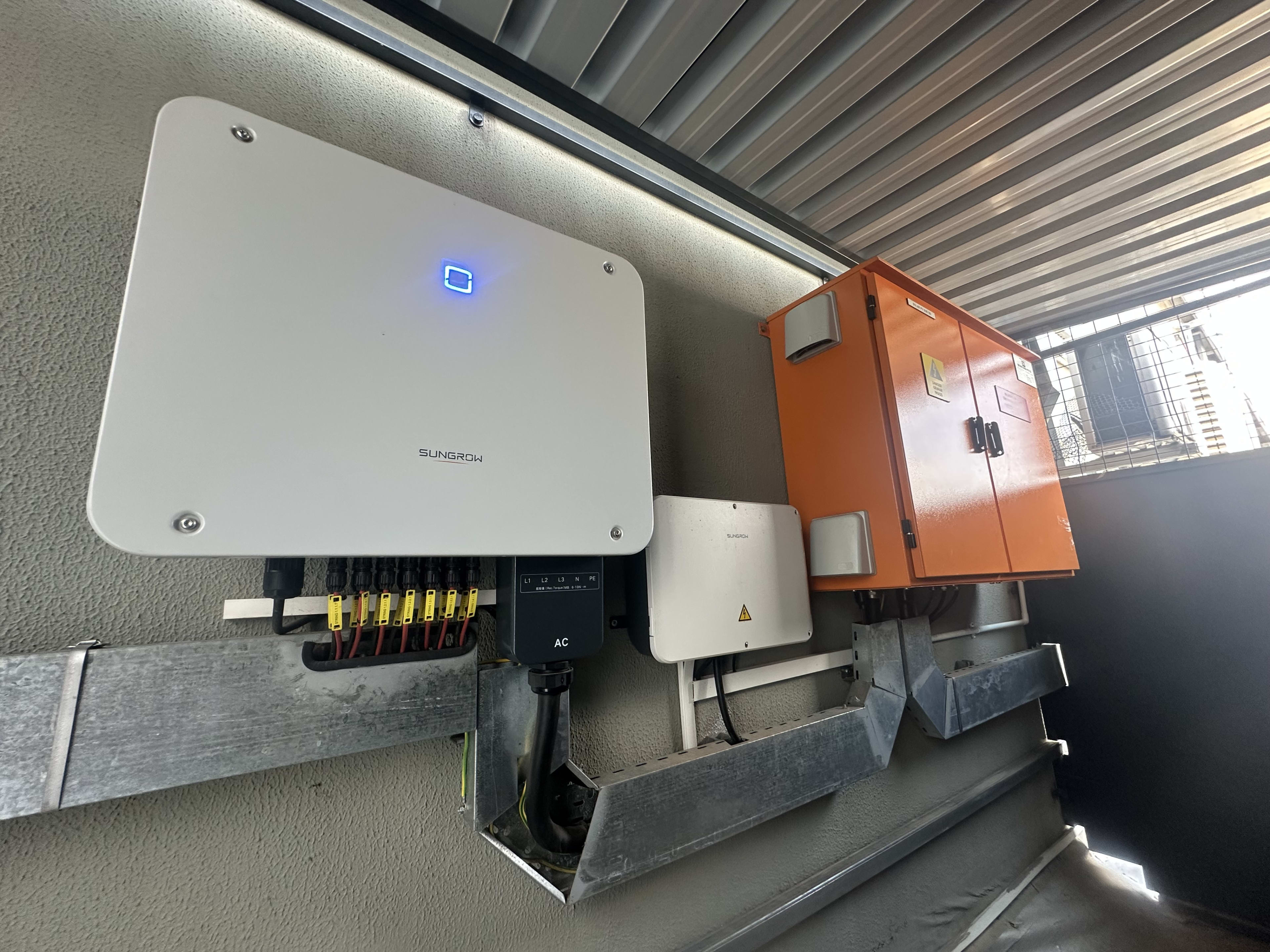
The roof’s structure and area come first, because these roofs can carry far more panels than an office block. Most loads run through the working day, when the panels produce. Kimbult Industrial Park runs on City Power’s Large Power User time-of-use tariff, where weekday output between 10:00 and 18:00 displaces standard-rate energy.
Corridor 2

Randburg business parks: North Riding and Olivedale

Areas
North Riding and Olivedale, between Randburg and Fourways.
What is here
Multi-tenant office and business parks with steady weekday loads and moderate peaks.
What matters for solar
Check the tariff before sizing anything. City Power’s Large Power User tariffs bill at least 70 kVA of demand a month, even when a site never reaches it. A park that stays under 100 kVA may be better off on the Business tariff, which has no demand charge, and that changes what solar is worth. We run that check in every design.

Corridor 3

Shopping centres in Randburg and Roodepoort

Areas
Blackheath, Windsor West and Florida Glen.
What is here
Neighbourhood and community shopping centres that trade every day of the week.
What matters for solar
A centre uses its roof’s output on Saturdays and Sundays as well as weekdays. Our centres here run on both of City Power’s Large Power User tariffs, demand and time-of-use, and the right design differs between them. Recovering the cost from tenants is a lease question to settle before the build.

Corridor 4

Sandton, Wynberg and Modderfontein

Areas: Sandton and Rosebank; the industrial nodes at Wynberg, Marlboro, Frankenwald, Longmeadow and Modderfontein.

What is here: Office towers and corporate campuses in Sandton and Rosebank. Wynberg has seen more industrial development applications than any other node in the city since 2007.

What matters for solar: This is where the City Power and Eskom split matters most, so confirm the supplier before anything else. A tall building has little roof for each square metre of floor, so solar carries a smaller share of the load. Industrial roofs in Wynberg and Frankenwald work like those in Laser Park.

Corridor 5

Midrand, Kyalami and Waterfall

Areas: The Kyalami and Commercia industrial nodes, Waterfall and Halfway House.

What is here: Newer business, logistics and industrial parks.

What matters for solar: Parts of Waterfall are reported to be on Eskom supply, so check the bill. On a building still in design, solar costs least to add while the roof structure and the electrical room are being drawn.

Corridor 6

Roodepoort, Industria and the southern belt

Areas: Robertville and Industria in the west; Crown Mines, Selby, Booysens, City Deep, Steeledale and Aeroton in the south.

What is here: The city's older manufacturing and logistics belt along the reef.

What matters for solar: On an older roof, a structural check comes before the panel layout. Plants that run through the night use solar for the daytime share only, so the tariff review and the load profile decide the size.

The corridors at a glance

CorridorCouncil industrial nodesBusiness areas people search
Honeydew, Laser Park and Kya SandsLaser Park, Kya Sands, Strijdom Park, LanseriaHoneydew, Randburg, Fourways
Randburg business parks(office and business parks)North Riding, Olivedale, Randburg
Randburg and Roodepoort centres(retail)Blackheath, Windsor West, Florida Glen, Roodepoort
Sandton, Wynberg and ModderfonteinWynberg, Frankenwald, Longmeadow, ModderfonteinSandton, Rosebank, Bryanston
Midrand, Kyalami and WaterfallKyalami, CommerciaMidrand, Waterfall
Roodepoort, Industria and the southRobertville, Industria, Crown, Selby, Booysens, City Deep, Steeledale, AerotonRoodepoort, Johannesburg South

Source: City of Johannesburg Spatial Development Framework 2040, 2024 review (council approved November 2024), Figures 14 and 16.

City Power approval

What City Power needs before your system runs

City Power must approve every grid-tied business system before it operates, whether or not it ever exports, and registration itself is free.

Approval first. City Power prohibits running an embedded generator without its approval. Its process covers grid-tied and hybrid systems up to 1 MVA.

Zero export, for now. City Power requires zero export, or a blocking device, until its feed-in approval process is in place. We design every Johannesburg system to use its own output.

System size. City Power allows a system up to 100% of the site’s notified maximum demand.

Grid impact study at 350 kVA and above. For 351 to 1,000 kVA, the 2026/27 fee is R5,550 at 400 V and R23,500 at 6.6 to 33 kV, excluding VAT.

The application pack. A single-line diagram, the inverter's NRS 097-2-1 certificate, a Certificate of Compliance from a registered electrical contractor, and an application form signed by an ECSA-registered professional. City Power then inspects the site and witnesses the protection tests.

Post-paid metering. A business with embedded generation must be on a conventional, post-paid tariff, and City Power fits a bidirectional meter at the customer's cost.

Above 100 kW, NERSA too. NERSA registers grid-connected systems above 100 kW directly, after the distributor has approved the connection.

We prepare and submit the application to City Power and arrange its site inspection.

Who may do the work and who signs it off is set out in our guide to choosing a solar EPC partner. See also SSEG in the glossary.

Sources: City Power SSEG FAQ (27 March 2025) and SSEG application documents; City of Johannesburg 2026/27 tariff annexure E; NERSA statement, 2 February 2026.

The bill

What solar takes off a City Power bill

Every kWh your roof produces and the building uses comes off the bill at your tariff's full energy rate. It also reduces City Power's 6c/kWh network surcharge and its 2% account surcharge with it.

Business tariff (up to 100 kVA).

Energy is charged on a five-block monthly ladder, so solar removes kWh from the top, most expensive block first.

Large Power User demand tariff.

Solar offsets energy at the summer or winter rate. Demand is billed separately.

Large Power User time-of-use tariff.

A solar kWh is worth the rate of the hour it replaces. On weekdays, output between 10:00 and 18:00 displaces standard-rate energy; on weekends most hours are off-peak.

Demand charges.

Solar can lower the month's billed peak, but one cloudy afternoon puts it back. Across the systems we operate, the reduction is typically about 10%, within a range of 5% to 25%. Count it as a bonus on top of the energy saving, never as part of the case.

What stays.

Fixed charges stay, and so does the 70 kVA minimum on the Large Power User tariffs.

Export.

Valued at zero until City Power approves feed-in and pays for it.

The rates, the clock and the demand rules are on our page on City Power tariffs for 2026/27, and how demand is billed is in kVA and maximum demand charges in Gauteng.

Cost

What commercial solar costs in Johannesburg

Our installed prices run from about R10,400 per kWp for a 50 kWp system to about R6,700 per kWp at 1 MWp, excluding VAT, for a grid-tied rooftop system.

System sizeInstalled price, ex VATPer kWp
50 kWpR520,000R10,400
100 kWpR870,000R8,700
200 kWpR1,570,000R7,850
500 kWpR3,620,000R7,240
1,000 kWpR6,700,000R6,700

A business that owns its system can deduct the full cost in the first year under Section 12B, for systems up to 1 MW. At the 27% company tax rate, that is R270,000 less tax per R1 million spent, a cashflow benefit in year one. You can also finance the system, or buy the power instead of the panels under a power purchase agreement or a partnership.

What moves the price, and what the bands exclude, is in our commercial solar cost guide.

How we work

From your meter data to 25 years of operation

Outages

Will solar keep my business running in a power cut?

A grid-tied system switches off when the grid goes down, as the safety standard requires. To keep running, a business needs a hybrid inverter and a battery, sized to the loads it must carry. How long the battery lasts depends on its charge when the outage starts and on the load connected.

Common questions

Commercial solar in Johannesburg: FAQs

How much does commercial solar cost in Johannesburg?

Our installed prices run from about R520,000 for a 50 kWp system (R10,400 per kWp) to about R6.7 million for 1 MWp (R6,700 per kWp), excluding VAT, for a grid-tied rooftop system. The price per kWp falls as the system grows. Roof structure, access, cabling distance and the grid connection move a specific quote.

Do I need City Power approval for a business solar system?

Yes. City Power must approve every grid-tied or hybrid system before it operates, even one that never exports. Registration is free; systems of 350 kVA and above also need a grid impact study, from R5,550 excluding VAT.

Can I sell solar power back to City Power?

Not at present. City Power requires zero export, or a blocking device, until its feed-in approval process is in place. Size the system to what the building uses during the day and treat any future export income as a bonus.

Is my business supplied by City Power or Eskom?

Check the name on your electricity account. Most Johannesburg businesses buy from City Power, but Eskom supplies parts of Sandton and Soweto, Diepsloot, Ivory Park and Orange Farm directly, and reportedly parts of Bryanston, Fourways, Sunninghill and Waterfall. The supplier sets your tariff and your approval process.

Does solar work during load shedding or a power cut?

A grid-tied system does not: it switches off when the grid fails, as the safety standard requires. A hybrid system with a battery keeps the connected loads running for as long as the battery's charge allows.

Will solar reduce my kVA demand charge?

Sometimes, and never dependably. Across the systems we operate, the billed peak typically falls by about 10%, within a range of 5% to 25%. One cloudy afternoon in the month can put the full peak back, so count any demand saving as a bonus on top of the energy saving.

Which parts of Johannesburg do you work in?

All of them. Our published projects are in Laser Park, Kya Sands and Strydompark; in North Riding and Olivedale; and in Blackheath, Windsor West and Florida Glen. We also work in Sandton, Midrand and the southern industrial nodes.

How big a solar system can my business install?

City Power allows a system up to 100% of the site's notified maximum demand. Because export earns nothing, the useful size is set by the building's daytime load and the roof area, usually well below that limit.

Can my business claim Section 12B on a solar system?

Yes, if the business owns the system. Section 12B allows 100% of the cost as a deduction in the first year for systems up to 1 MW, worth R270,000 less tax per R1 million at the 27% company rate. A business that buys power under a power purchase agreement cannot claim it; the system's owner does.

Start with your meter data

Send us twelve months of electricity bills, or your meter's interval data if you have it. We'll check your supplier and tariff, and tell you what size of system your roof and your load support.